







Editor-in-Chief
-

 Francesco Tornabene is a Associate Professor at the School of Engineering, Department of Engineering for Innovation, University of Salento. He was born on 13 January 1978 in Bologna, where he received the high school degree at Liceo Classico San Luigi, in 1997. In 2001 he achieved a National Patent Bologna (Italy) for the Industrial Invention: Friction Clutch for High Performance Vehicles Question BO2001A00442. He received from the University of Bologna - Alma Mater Studiorum, a M.Sc. degree in Mechanical Engineering (Curriculum in Structural Mechanics) on 23/07/2003, discussing a thesis entitled: “Dynamic Behavior of Cylindrical Shells: Formulation and Solution”. In December 2003, he was admitted at the PhD course in Structural Mechanics, at the University of Bologna; in 2004, he received from the University of Bologna a Thesis price in memory of Carlo Felice Jodi; in 2007 he received the Ph.D. degree in Structural Mechanics at the University of Bologna, discussing the Thesis entitled “Modeling and Solution of Shell Structures Made of Anisotropic Materials”. From 2007 to 2009 he received a research fellowship by the University of Bologna, working on the “Unified Formulation of Shell Structures Made of Anisotropic Materials. Numerical Analysis Using the Generalized Differential Quadrature Method and the Finite Element Method”. From 2011 to 2012 he became a Junior researcher within the research program entitled “Advanced Numerical Schemes for Anisotropic Materials”; from 2012 to 2018 he was an Assistant Professor and Lecturer at the Alma Mater Studiorum - University of Bologna; from 2018 to 2021 he is an Aggregate Professor in Structural Mechanics and Lecturer at the University of Salento, Department of Innovation Engineering (Lecce). In 2022 he became an Associate Professor. For a long time his scientific interests include the Structural Mechanics, Solid Mechanics, Innovative and Smart Materials, Computational Mechanics and Numerical Techniques, Damage and Fracture Mechanics. He is author of more than 280 scientific publications, and collaborates with many national or international researchers and professors all over the world, as visible from his scientific production. He is author of 11 books, see e.g. “Meccanica delle Strutture a Guscio in Materiale Composito. Il metodo Generalizzato di Quadratura Differenziale” (2012); “Mechanics of Laminated Composite Doubly-Curved Shell Structures. The Generalized Differential Quadrature Method and the Strong Formulation Finite Element Method” (2014); “Laminated Composite Doubly-Curved Shell Structures I. Differential Geometry. Higher-Order Structural Theories” (2016); “Laminated Composite Doubly-Curved Shell Structures II. Differential and Integral Quadrature. Strong Formulation Finite Element Method” (2016), “Anisotropic Doubly-Curved Shells. Higher-Order Strong and Weak Formulations for Arbitrarily Shaped Shell Structures” (2018), among many. He is member of the Editorial Board for 44 International Journals. He is also Editor-in-Chief for 2 International Journals: Curved and Layered Structures, Journal of Composites Science; furthermore he is Associate Editor for the 7 International Journals. In the last years he received different important awards, see e.g. “Highly Cited Researcher by Clarivate Analytics” (years 2018, 2019, 2020), “Ambassador of Bologna Award for the organization of 21st International Conference on Composite Structures ICCS21, 4-7 September 2018, Bologna, Italy” (2019), “Member of the European Academy of Sciences” (since 2018). He collaborates as reviewer with more than 260 prestigious international journals in the structural mechanics field. From 2012, his teaching activity includes Dynamics of Structures; Computational Mechanics; Plates and Shells; Theory of Structures; Structural Mechanics. He is habilitated as Full Professor in the area 08/B2 (Structural Mechanics) and as Associate Professor in Area 09/A1 (Aeronautical and Aerospace Engineering and Naval Architecture).Theory of Shells, Plates, Arches & Beams, Generalized Differential & Integral Quadrature Method & Finite Element Method (GDQM & GIQM & FEM), Strong and Weak Formulation Finite Element Methods (SFEM & WFEM), Fracture Mechanics: Piezoelectric Materials, Stability of Equilibrium: Non-Conservative Forces, Strong Formulation IsoGeometric Analysis, Weak Formulation IsoGeometric Analysis
Associate Editor
-
 Dr. T. Sathish is Associate Professor of Mechanical Engineering. He obtained his B.E., M.Tech., Ph.D., from the reputed universities in Tamil Nadu. He secured in the Indian Researchers in Stanford University’s Top 2% Scientists List for the Year 2020, World Rank (638th Place), India Rank (5th Place) and Subject Rank (World) (4th Place), due to his excellent research profile. He published many technical books and Patents in the field of Mechanical Engineering. He supervises the PhD scholars and participated in many invited lectures and won many more awards. He is acting as Guest Editor and reviewers for many Scopus and web of science indexed journal.Tensile Strength,Mechanical Properties,Natural Fibers,Composite Materials,Hybrid Composites,Glass Fiber,Jute Fiber,Kenaf Fiber,Response Surface Methodology,Fiber Composites,Scanning Electron Microscopy,Toughness
Editorial Board Member
-
 Prof. Paulo Cesar De Morais Catholic University of Brasilia, Brazil Paulo C. DE MORAIS, PhD, was full Professor of Physics at the University of Brasilia (UnB) – Brazil up to 2013, Appointed as UnB’s Emeritus Professor (2014), Appointed as Guest Professor of Huazhong University of Science and Technology – China (2011), Visiting Professor at Huazhong University of Science and Technology (HUST) – China (2012-2015), Appointed as Distinguished Professor at Anhui University (AHU) – China (2016-2019), Appointed as Full Professor at Catholic University of Brasília (UCB) – Brazil (2018), Appointed as CNPq-1A Research Fellowship since 2010, 2007 Master Research Prize from UnB, 2008-member of the European ERA NET Nanoscience Committee, Member of the IEEE-Magnetic Society Technical Committee, Senior Member of the IEEE Society, 2012 China’s 1000 Foreign Expert Recipient, and 2012 Academic Excellence Award from Brazilian Professor’s Union. He held two-years (1987-1988) post-doc position with Bell Communications Research – New Jersey, USA and received his Doctoral degree in Solid State Physics (1986) from the Federal University of Minas Gerais – Brazil. He graduated in both Chemistry (1976) and Physics (1977) at UnB. Professor Morais is member of the Brazilian Physical Society and the Institute of Electrical and Electronics Engineers – IEEE. He has served as referee for more than 50 technical journals, takes part of the Editorial Board of more than 15 technical journals and has conducted research on nanomaterials for over 40 years. He has delivered more than 150 Invited Talks all over the World. He is known for his research in preparation, characterization and applications of nanosized materials (magnetic fluid, magnetoliposome, magnetic nanoemulsion, magnetic nanocapsule, magnetic nanofilm, magnetic nanocomposite, nanosized semiconductors, polymeric dots, carbon dots, and graphene quantum dots). With nearly 500 published papers in peer reviewed journals and 15 patents, he has appeared in recent World ranking of top 1% scientists, such as 2020-Stanford and 2022-Research.com.characterization and applications of nanosized materials (magnetic fluid, magnetoliposome, magnetic nanoemulsion, magnetic nanocapsule, magnetic nanofilm, magnetic nanocomposite, nanosized semiconductors, polymeric dots, carbon dots, and graphene quantum dots)
 -
 Prof. Jayne Carol Garno Louisiana State University, United StatesProfessor Jayne Garno applies scanning probe experiments with hybrid instrument configurations for chemistry studies at the nanoscale. Research investigations encompass characterizations of surface structures and properties of nanoparticles, proteins, porphyrinoids, and functionalized self-assembled monolayers (SAMs); as well as application of nanomaterials for developing biomimetic and biosensing surfaces. Research goals are to discover new approaches for studying chemical reactions on surfaces, with molecular level sensitivity. The tools of scanning probe microscopy (SPM) can be used to directly visualize surface surfaces after reactions occur. Along with high resolution images, maps of surface forces (e. g. magnetic, electrostatic, elastic) can be acquired concurrently with topography images to achieve unprecedented sensitivity. Approaches for nanolithography encompass SPM-based methods as well as high throughput nanopatterning with colloidal lithography. Nanoscale lithography provides a means to control the arrangement of molecules with spatial selectivity at the molecular level. Garno has been a Professor of Chemistry at LSU since 2004, and has 100+ publications.
 -
 Dr. Andrea Perucchi Elettra-Sincrotrone Trieste, Italy Andrea Perucchi is Senior Scientist at Elettra - Sincrotrone Trieste. He held a Master’s degree in Physics at University of Rome “La Sapienza” in 2001, and the Ph.D. in Natural Science at ETH Zurich in 2005. In the same year he joined the Elettra synchrotron in Trieste (Italy), in charge of infrared and THz based activities in condensed matter at the SISSI beamline. Starting from 2012, he led the project for the construction of the TeraFERMI beamline for THz non-linear and pump-probe studies. He is now responsible for the TeraFERMI beamline operation. His research interests span from Strongly Correlated Electron Systems to Low-Dimensional materials, Charge-Density-Wave, Superconductivity, Spin Liquids, Colossal and Giant Magnetoresistance, Oxide Heterostructures, Plasmonics. He is the author of over 130 publications in international journals (Scopus h-index 26) and 2 book chapters.Strongly Correlated Electron Systems to Low-Dimensional materials, Charge-Density-Wave, Superconductivity, Spin Liquids, Colossal and Giant Magnetoresistance, Oxide Heterostructures, Plasmonics
 -
 Prof. Giovanni Vozzi University of Pisa, Italy Giovanni Vozzi is a Full Professor in bioengineering at the University of Pisa. He is one of the leading Italian representatives of theoretical and applied research in the field of biofabrication, with decades of experience in multiscale and multimaterial scaffold fabrication by 3D and 4D printing, in the development of micro- and nanofabrication techniques for the biomedical field, in the physicochemical, mechanical and cellular characterization of new biomaterials and polymeric micro- and nanostructures, and in the development of bioreactors capable of recreating cellular compounds under physiological and pathological conditions. His expertise in the field is demonstrated by the several competitive grant-winning research projects in which he is involved as coordinator. Since more than 10 years, he is the director of the Biofabrication Lab in Pisa, where he works on the most advanced fabrication technologies for tissue engineering and regenerative medicine applications.Biomaterials;Tissue Engineering;Biomedical Engineering;Carbon Nanotubes;Biomechanics;Regenerative Medicine;Microfabrication;Polymerization;Nanobiotechnology;Biomaterial Engineering
 -
 Prof. Dejian Zhou University of Leeds, United Kingdom Dejian Zhou is Fellow of the Royal Society of Chemistry (FRSC), Professor of Nanochemistry at the School of Chemistry, and a PI member of the Astbury Centre for Structural Molecular Biology and Bragg Centre for Materials Research, University of Leeds (UK). He obtained his BSc and PhD degrees both from Peking University (China), and pursued postdoctoral researches at Cranfield University (UK) and University of Cambridge (UK) before being appointed to a Senior Lecturer at the University of Leeds (2007) and was promoted to Professor of Nanochemsitry in 2018. He pursues a polyvalent multifunctional nanoparticle (PMN) strategy to address some important, unmet biomedical challenges, e.g. new glycan-PMN biophysical and structural probes for multivalent protein-sugar interactions and therapeutic interventions, as well as novel multi-ligand PMNs for anticancer and antibacterial applications. He received the Chinese Chemical Society Young Chemist Award (1996). He has published 4 invited book chapters, and >150 peer-reviewed papers in leading journals (e.g. Nature Nanotech, J. Am. Chem. Soc., Angew. Chem., Adv. Mater. etc), including two research highlights on the BBC.nanochemistry, nanomaterials; biosensing; protein-sugar interaction; theranostics, nanomedicine; multivalency, biophysical tools, FRET; cancer; antimicrobial resistance, surface coatings.
 -
 Prof. Jianbo Yin Northwestern Polytechnical University, China Yin was born on Jan 24, 1976 and currently he is a Professor at School of Physics Science and Technology, Northwestern Polytechnical University. He obtained B. S. in Chemical Engineering from Northwestern Polytechnical University and Ph. D in Materials Physics and Chemistry from Northwestern Polytechnical University. He serves as Editorial Board Member of Materials, Journal of Nanomaterials, Scientific Reports, Regional Editor of Current Smart Materials, and Associate Guess Editor of Frontiers in Materials-Smart Materials. He has over 25 years of academic research experience in smart materials and has published over 130 peer review papers (including 25 papers in Chinese), 18 Chinese patents, three book chapters (in English) and one book (in Chinese). His present interests focus on smart electrorheological & magnetorheological materials, tunable metamaterials & metasurface.Mainly engaged in research in the fields of intelligent soft materials, soft metamaterials and surfaces, and intelligent interface materials
 -
 Prof. Babak Safaei Eastern Mediterranean University, Cyprus Dr. Babak Safaei currently is working as an Associate Professor at Department of Mechanical Engineering at Eastern Mediterranean University. Presently, he is director of Nanotechnology and Multifunctional Structures Research Center (NMSRC) at Eastern Mediterranean University. Also, he has honorary position as Visiting Associate Professor at University of Johannesburg since 2021. He received his PhD. degree in Mechanical Engineering from Department of Mechanical Engineering at Tsinghua University. His research interests focus on Computational Mechanics; Micro and Nano Mechanics; Advanced Manufacturing; Design of Lightweight Structures; Composite and Nano Composite Materials; Lithium-Ion Batteries, Nonlocal Theories, and Mechanical Vibration.Computational Mechanics;Micro and Nano Mechanics;Composite Materials;Addative Manufacturing;Energy Harvesting;Energy Storage and lithium-ion battery;Biomechanics and Drug Delivery;Mechanical Vibration;Buckling and Bending
 -
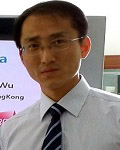 Prof. Guosong Wu(h-index: 46) is presently a full professor of Hohai University, China. He received his PhD in materials engineering from Shanghai Jiao Tong University, China in 2007. Before he joined Hohai University, he has worked as a researcher at the Chinese Academy of Sciences, City University of Hong Kong and Kwangwoon University (South Korea) for about 10 years. His research interests include surface engineering, corrosion science, metals and plasma related technologies.surface engineering, corrosion science, metals and plasma related technologies
 -
 Dr. Goshtasp Cheraghian King's College London-Humboldt University of Berlin, Germany Dr. Goshtasp Cheraghian is currently a postdoctoral scientist in the Functional Nanomaterials group at the Humboldt University of Berlin and King’s College, London. Dr. Cheraghian’s research interests focus on polymer nanocomposites, nanotechnology for energy and environmental applications, and materials characterization. Dr. Cheraghian has also published over 80 research papers, 3 chapters in books, and obtained 9 granted patents.Enhanced Oil Recovery;Drilling;Reservoirs;Polymer Engineering;Reservoir Engineering;Chemical Flooding;Material Characteristics;Nanoparticles;Surfactants;Rheology
 -
 Prof. Srinivasa Rao Sunkara Kyungsung University, Korea Dr. Srinivasa Rao Sunkara is an Assistant Professor of Mechatronics Engineering at KyungSung University in Busan, South Korea. He obtained his undergraduate degree in Electrical and Communication Engineering (2007-2011) from Jawaharlal Nehru Technological University in Kakinada, India. Srinivasa Rao obtained his Master’s and Ph.D. in Electrical Engineering from Pusan National University, Busan, South Korea in 2015 and 2018, respectively. He served as a Research Scientist at Pusan National University since 2012 to March-2018, respectively, where he has been involved in the development of various nanomaterials which can be used in Energy Storage and Conversion applications. Since March-2018, he is working as an Assistant Professor in School of Mechanical and Mechatronics Engineering, KyungSung University, South Korea. Currently, he is developing various electrode materials for Supercapacitors, Solar Cell and Battery devices using Novel Nanomaterials. He is also an active reviewer for many SCI/SCIE based journals such as New Journal of Chemistry, Electrochimica Acta, Dalton Transactions, RSC Advances, Applied Surface Science, Journal of Energy Storage, Langmuir, Heliyon, ACS Applied Materials & Interfaces etc. Due to his knowledge and expertise, Dr. Srinivasa Rao has been invited as a Guest Editor for elite journals in the field, including the Energies and Frontiers in Materials and many more. Overall, he has 12 years of research experience on energy conversion and energy storage technologies and 6 years of teaching experience on electrical and electronics related subjects, reviewed approximately 200 SCI & SCIE papers and published more than 65 research articles in SCI/SCIE based journals.developing various electrode materials for Supercapacitors, Solar Cell and Battery devices using Novel Nanomaterials
 -
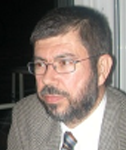 Prof. Andres Cantarero University of Valencia, Spain I finished my Bachelor studies in 1979 and after the military service I did my Master and Ph. D. in the University of Valencia, at this time already with a position of Assistant Professor. From 1987-1989 I did a postdoctoral stay in Stuttgart, at the Max Planck Institute, where I started to work on Raman in 13-15 semiconductors under high magnetic fields under the supervision of Prof. Manuel Cardona. I reconciled my experiments with the development of phenomenological models. During my postdoc I got a permanent position at the University of Valencia. In 2007, I competed for my habilitation and became full professor. During all these years I have published around 400 papers and several book chapters, I have attended a similar number of Conferences (with 100-150 contributed talks, more than 50 invited talks- I do not follow the track-, and three plenary talks), participated in national and international external commissions for research, and I am referee of many international journals, several European and international Agencies. I was teaching in many areas, starting with Electricity and Magnetism, Solid State Physics, Electrodynamics, and many others. I was the director of the Materials Science Institute three years. I have supervised 18 PhD. students and 8 postdocs. Nowadays, I am supervising 3 Ph. D. students.
 -
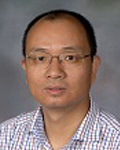 Prof. Ping Lu Rowan University, United States Dr. Ping Lu is an Assistant Professor in the Department of Chemistry and Biochemistry at Rowan University. He received his Ph.D. in Agricultural & Environmental Chemistry from the University of California Davis. He then worked as a postdoctoral fellow at the Washington University in St. Louis and the Georgia Institute of Technology. His research involves the synthesis, fabrication and characterization of polymeric and inorganic nanostructures for energy, environmental and health applications. Dr. Lu is a Section Editor of Recent Patents on Nanotechnology (2021 Impact Factor 1.952; 2022-present), Editorial Board Member of Green Energy and Environmental Technology (2022-present), Carbohydrate Polymers (2021 Impact Factor 9.381; 2014-present), and Nanotechnology (2021 Impact Factor 3.874; 2017-present).synthesis, fabrication and characterization of polymeric and inorganic nanostructures for energy, environmental and health applications
 -
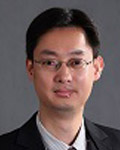 Prof. Shuming Chen Southern University of Science and Technology, China Dr. Shuming CHEN received his PhD degree in Electronic and Computer Engineering from Hong Kong University of Science and Technology (HKUST) in 2012. From Sep. 2012-May 2013, he worked as a postdoctoral researcher in Center for Display Research, HKUST and a part time senior engineer in Sinodisplay Technology Co. Ltd. to develop active-matrix (AM) organic light-emitting displays (OLEDs). In June 2013, he officially joined the Department of Electrical and Electronic Engineering, Southern University of Science and Technology (SUSTech) as an Assistant Professor (tenure-track) and has been promoted to Associate Professor (with tenure) in November 2018. His research interests include OLED, QLEDand other novel (opto-)electronic devices and their application in Displays. He has published over 100 SCI papers on high impact journals including Nature Communications, Advanced Materials, Advanced Functional/Optical Materials, ACS Nano, Angewandte Chemie, Nano Energy with more than 9000 citations. His H-index is 52.Prof. CHEN Shuming has been doing research on (Organic / Quantum Dot) Electroluminescent Display Technology. He has a solid research foundation in device physics, device engineering and device applications.
 -
 Dr. Laura Catenacci University of Pavia, Italy Dr. Catenacci Laura graduated in Pharmaceutical Chemistry and Technology in 2000 at School of Pharmacy at the University of Pavia (110/110 cum laude). In 2006 she had the Ph.D. degree in Biopharmaceutics–Pharmacokinetics at the University of Parma supported by a Ph.D. scholarship granted by the University of Parma (XVIII Cycle). During the Ph.D she spent a period of 6 months for the completion of her graduation work project, at the laboratory of “Supramolecular Chemistry” directed by Prof. Mino R. Caira at the University of Cape Town in South Africa. In 2009, she took the Master degree in Preformulation, Pharmaceutical Development and Drug Control at School Pharmacy of the University of Pavia. Since December 2008 she is research fellow at the department of Drug Sciences of School of Pharmacy at the University of Pavia. She is encharged of the course “Complements of pharmaceutical and cosmetical technologies” and "Pharmaceutical Statistics" for the degree in Pharmacy and of the course "Pharmaceutical Technological Element" for the degree in Biotechnology.Solid State;Cyclodextrin;Thermal Analysis;Drug Delivery
 -
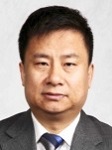 Prof. Bingsuo Zou Guangxi University, China 1981-1985, Bachelor: Jilin University, chemistry college; 1985-1991, PhD graduate: Jilin University, chemistry college; 1991-1993, postdoc, Nankai University, institute of modern optics; 1994-2005, associate researcher scientist, researcher scientist: institute of physics, CAS, Beijing, China 2005-2009, full professor, Hunan University, school of physics and microelectornics, Changsha, Hunan province; 2009-2018, full professor, dean of Material school: Beijing institute of technology, school of materials; school of physics, Beijing, China; 2018-now, full professor, dean of School of R-E-M, Guangxi University, Nanning, Guangxi province, China.His primary research areas include nanoscale functional materials and devices, nano-photonics and optoelectronic devices, and magnetic semiconductors with future optoelectronic applications.
 -
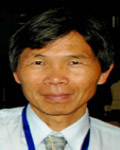 Prof. It Meng Low Curtin University, Australia Prof. Low gained his B.Eng. and Ph.D. degrees in Materials Engineering from Monash University prior to taking up lecturer positions first at Auckland University and then Curtin University. In 1986-1988, he conducted post-doctoral research with Prof. Y-W Mai on fracture and toughening micromechanics of epoxy systems at Sydney University. He was awarded a Visiting Professorship by the Japanese Ministry of Education to work with Prof. Niihara at Osaka University in 1995/1996. He is a Fellow of the Australian Ceramic Society and serves on the editorial board of several journals. He is also the recipient of the prestigious 1996 Joint Australian Ceramic Society/Ceramic Society of Japan Ceramic Award for excellence in ceramics research. Prof. Low has authored /edited more than 15 books and is author of over 250 archival research papers. His h-index is 51 with more than 7750 citations. His research interests include polymer composites, nanotechnology, toughening and failure micromechanics. He is the current WA Branch President and Federal Councillor of the Australian Ceramic Society He is also the recipient of the prestigious 1996 Joint Australasian Ceramic Society/Ceramic Society of Japan Ceramic Award for ceramics research.Composites;Materials Processing;Mechanical Properties;Machining;Material Characterization;Materials;Nanomaterials;Microstructure Metals;X-ray Diffraction
 -
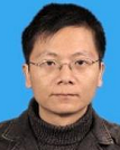 Prof. Jin's works currently at School of Chemistry & Chemical Engineering, Nanjing University, China, and his research experience ranges from nanoscience to novel materials, especially the multidisciplinary research for clean energy applications. His interests cover a broad area of materials science disciplines, especially carbon and inorganic nanostructures, such as the controlled synthesis of 1D nanotubes/nanowires, 2D nanomaterials and 3D nanostructures. He conducted efforts on incorporating nanomaterials into electrochemical clean-energy systems, nanoelectronics and photoelectric devices. He also designed new chemical and phisical approaches for the preparation and modification of novel carbon species, such as carbon nanotubes, graphene and porous carbons. He also developed various methods for the controlled growth, structural engineering and device fabrication of novel 2D materials.carbon and inorganic nanostructures, such as the controlled synthesis of 1D nanotubes/nanowires, 2D nanomaterials and 3D nanostructures
 -
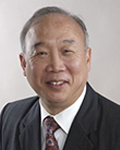 Prof. Tai-Shung Chung National Taiwan University of Science and Technology, Taiwan Institute of Applied Science and Technology of NTUST, Taiwan. Before joining NTUST, he was a Provost’s Chair Professor at the ChBE department of NUS in 2011-2021. His research focuses on polymeric membranes for clean water, clear air, clear energy and pharmaceutic separation. In 2005-2008, he worked as a Senior Consultant for Hyflux, led and built its membrane research team. He became a Fellow in the Academy of Engineering Singapore in 2012 and received the Underwood Medal from IChemE (Institute of Chemical Engineers, UK) for exceptional research in separations and Singapore President’s Technology Award in 2015. He was a highly cited researcher in Chemical Engineering & Materials Science and Engineering by the Elsevier and Shanghai Global Ranking in 2016 and received Distinction Award in Water Reuse and Conservation from International Desalination Association (IDA) in 2016. He was also a highly cited researcher from Clarivate Analytics in 2018 and 2019. He was ranked as No. 7 in Chemical Engineering worldwide by the list of “the top 2% scientists in the world” published by Stanford University in 2020 (http://www.globalauthorid.com/WebPortal/EliteOrder. 2020). He was one of the top 0.1% of scholars on Water Purification over the past 10 years, as "World Expert" by Expertscape (2021). (Water Purification: Worldwide - Expertscape.com). His H-index =120 (Scopus) or 138 (Google Scholar) (Aug 3, 2022). He is an editorial board member of journals including J. Membrane Science, Env. Sci. & Tech., AIChE J., Separation & Purification Tech., I&EC Research, J. Applied Polymer Science, and many others.His research focuses on polymeric membranes for clean water, clear air, clear energy and pharmaceutic separation.
 -
 Prof. Jie Shu Ningbo University, China JieShu received his B.E. and M.E. degrees from Harbin Institute of Technology. Then,he received his Ph.D. degree from the Institute of Physics, Chinese Academy of Sciences. Since 2007, he worked as a postdoctoral researcher to develop nanomaterials for energy storage devices at National Institute of Advanced Industrial Science andTechnology (AIST), Japan. Later, he served as another postdoctoral researcher to develop in-situ techniques for energy storage materials at Laboratoire de Réactivité et Chimie des Solides (LRCS)at Centre national de la recherchescientifique (CNRS), France. Currently, He is a professor at Ningbo University. He has published over 180 papers, 3 book chapters, and 20 patents. His current research area includes nanomaterials for energy storage devices andelectrocatalysis.nanomaterials for energy storage devices andelectrocatalysis
 -
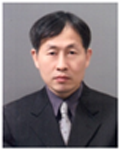 Prof. Jeong Ryeol Choi Kyonggi University, Korea Prof. Jeong Ryeol Choi has been received his Ph.D. in physics from Korea University in South Korea. Now he is a physics professor at Kyonggi University.
 -
 Prof. Baoguo Han Dalian University of Technology, China Baoguo Han received his PhD in the field of smart materials and structures from the Harbin Institute of Technology, China, in 2005. He is currently a professor of civil engineering in the Dalian University of Technology, China. His main research interests include multifunctional/smart materials and structures, high performance concrete and structures, nanotechnology in civil engineering, and structural health monitoring and traffic detection. He is a member of the editorial board of three international journals and has published 2 book, 9 book chapters and more than 120 technical papers. He was invited to the University of Minnesota and has worked as a visiting research scholar there for 3 years. He was also awarded the New Century Excellent Talents in University by the Ministry of Education of China and the First Prize of Natural Science by the Ministry of Education of China.multifunctional/smart materials and structures, high performance concrete and structures, nanotechnology in civil engineering, and structural health monitoring and traffic detection
 -
 Dr. Ahmed Zeeshan International Islamic University, Pakistan Dr. Ahmad Zeeshan completed his PhD degree with distinction under the supervision of R. Ellahi in 2011. Ever since he is working as assistant professor at International Islamic University, Islamabad, Pakistan. His field of research is Fluid Mechanics with interest in analytic solutions for nanofluids and Multiphase fluids. Also, He is an expert in Blood flow and peristaltic transport in physiological flows. He has supervised about twenty students at MS level and three at PhD level successfully. He has published about sixty research articles in the journals of international repute.Fluid Mechanics;Applied Mathematics;Engineering, Applied and Computational Mathematics;Numerical Analysis;Computational Fluid Dynamics;Numerical Simulation;Numerical Modeling;Turbulence;CFD Simulation;Computational Fluid Mechanics
 -
 Prof. Yung-Sen Lin Feng Chia University, Taiwan Prof. Yung-Sen Lin received the B.S degree in chemicalengineering from Chung Yuan Christian University,Zhongli, Taiwan, ROC, in 1987, and the M.S and Ph.Ddegrees in chemical engineering from the Universityof Missouri–Columbia, Columbia, MO, USA, in1993 and 1996, respectively.He was a Researcher with the Industrial TechnologyResearch Institute, Hsinchu, Taiwan, in 1997,where he was involved in semiconductor package R&D,and a Section Manager with Siliconware PrecisionIndustries Company, Ltd., Taichung, Taiwan,in 1997, where he was involved in development of semiconductor package technology andmaterials, and an Assistant Professor with the Department of Materials Scienceand Engineering, I-Shou University, Kaohsiung, Taiwan, in 2000. In 2003,he joined the Department of Chemical Engineering at Feng Chia University,Taichung, where he is currently a Professor. His current researchinterests include thin films, nanomaterials, cold atmospheric pressure plasma polymerization and modification, low temperatureplasma polymerization and treatment, electrochromic thinfilms, semiconductor packaging technologyand materials, and functional thin films.thin films, nanomaterials, cold atmospheric pressure plasma polymerization and modification, low temperatureplasma polymerization and treatment, electrochromic thinfilms, semiconductor packaging technologyand materials, and functional thin films.
 -
 Prof. Shanglong Peng Lanzhou University, China Shanglong Peng: professor and doctoral tutor in school of physics and technology, Lanzhou University; guest researcher in Shenzhen Institute of advanced visiting. He received a bachelor's degree in physics from Lanzhou University in 2003 and a doctorate in condensed matter physics from Lanzhou University in 2008. He has conducted research work as a postdoctoral fellow and a visiting scholar at Seoul National University, Hong Kong University of Science and Technology and Washington University in the United States. He also conducted postdoctoral research at the Institute of Semiconductors, Chinese Academy of Sciences from Academician Zhaoguo Wang. At present, the main research direction is the design of semiconductor energy materials, table interface control and correspondingly applications in the field of energy conversion and storage. He has undertaken the National Natural Science Foundation of China and the youth fund project, the Gansu Provincial Natural Science Fund Project and the Central University of basic scientific research special fund projects, and participated in the completion of a number of National Natural Science Fund projects. More than 50 SCI papers have been published in international authoritative journals such as Advanced Energy Materials, Nano Energy, J. Mater. Chem. A, and Journal of Power Source. He is also a referee and arbitrator of Advanced Energy Materials, Nano Energy, J. Mater. Chem. A, J. Mater. Chem.design of semiconductor energy materials, table interface control and correspondingly applications in the field of energy conversion and storage
 -
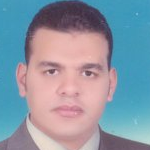 Egyptian Petroleum Research InstituteNanomaterials;Surface Science;Nanoparticle Synthesis;Spectroscopy;Material Characterization;Nanotechnology;UV-Visible Spectroscopy;Materials Chemistry;Polymers;Rheology
 -
 Prof. Monica Butnariu University of Life Sciences "King Mihai I" from Timisoara, Romania Prof. Monica Butnariu heads the Romania Biotechnology and Environmental Sciences Group-Council for Nutritional and Environmental Medicine and also National Correspondent of the International Association for Plant Biotechnology, has 150 articles published in the Web of Science Core Collection-Clarivate Analytics, H-index is 46 (Citation Metrics WoS) that have been cited over 5,848 times, and she has peer review activity (https://www.webofscience.com/wos/author/record/E-7217-2010). Prof. Butnariu has written several books and book chapters in different areas of chemistry (https://www.brainmap.ro/monica-butnariu). Her research interests focus on the Nutritional Biochemistry, Pharmacology & Toxicology, Biologically Active Compounds, Medical Biochemistry, Chemical Ecology. In addition, she has received the Romanian Academy Award for Chapter Chemical Composition of Vegetables and their Products in book Handbook of Food Chemistry (http://www.acad.ro/premiileAR/liste/2014.pdf). She has also given several keynote speeches, invited talks, and presentations for a variety of international scientific platforms/conferences/events. Prof. Butnariu serves as a member of editorial board of several international journals, international conferences committees, and scientific panels.Nutritional Biochemistry, Pharmacology & Toxicology, Biologically Active Compounds, Medical Biochemistry, Chemical Ecology
 -
 Prof. Osama M. Darwesh National Research Centre, Egypt Prof. Osama M. Darwesh currently works at the Department of Agricultural Microbiology, National Research Center, Egypt. Osama does research in Environmental Chemistry, Nanotechnology and Biochemistry. Their current project is 'synthesis and applications of carboxymethyl chitosan derivatives for biological evaluation'.Environmental Chemistry, Nanotechnology and Biochemistry
 -
 Prof. Iva Rezić https://www.ttf.unizg.hr/en/teachers-and-associates/iva-rezic/45 University of Zagreb, Croatia My name is Prof. Iva Rezić, PhD, PhD and as a tenured professor at the University of Zagreb, Croatia I hold dual doctorates in the field of life sciences (PhD in chemistry) and material sciences and engineering (PhD 2). Additionally, I have earned degrees in chemical engineering (modeling of systems) and textile engineering (master's thesis). I completed my experimental work for my first PhD in chemistry at the Faculty of Chemistry, University of Vienna, Austria, and my second PhD in material sciences at the University of Zagreb. Until October 2020, I served as the Vice-dean for scientific research at the University of Zagreb, Department of Applied Chemistry, where my primary focus was on developing scientific advisories for resource management. Currently, I am a professor at the University of Zagreb, where I teach courses in "Analytical Chemistry," "Instrumental Analysis Methods," "Physical Chemistry," "Design of Experiment Methodology," and "Textile Chemistry." As an active researcher and project leader of several multidisciplinary projects, I oversee a group of scientists specializing in material sciences, chemistry, microbiology, and nanotechnology. Our primary research focus is on creating and characterizing new functionalized polymers, particularly antimicrobial materials. In addition to my academic and research responsibilities, I serve as an advisor for resource management in various councils within the Ministries of the Republic of Croatia. I was a member of the Thematic Innovation Council for Energy and Sustainable Environment at the Ministry of Economy, Entrepreneurship and Crafts, as well as the Sector Council III for Mining, Geology, and Chemical Technology at the Ministry of Science and Education. Furthermore, I have hold positions on several committees and councils at the Faculty of Textile Technology, including Chair of the Committee for Scientific Research and Art, Chairman of the Commission for Projects, and Deputy Head of the Council of Doctoral Studies. Throughout my career, I have authored over 100 publications cited in international databases, including two single author scientific books, two university textbooks and five chapters in scientific books. I have been honored with various awards and grants, including scholarships from the Austrian Government and the Foundation of the Republic of Austria, as well as awards from prestigious organizations such as the Croatian Academy of Technical Sciences and the Society of University Teachers, Scholars, and other Scientists in Zagreb. My research interests encompass a wide range of topics, including project management, leadership, organizational and personal development, chemical analysis of historical materials, sample preparation, instrumental methods for trace element and nanoparticle analysis, materials characterization and surface analysis, chemometrics and optimization, formulation of antibacterial mixtures and detergents, nanoparticles, and analysis of historical materials. Moreover, I am actively involved as a project reviewer, manuscript reviewer, and in science popularization efforts.project management, leadership, organizational and personal development, chemical analysis of historical materials, sample preparation, instrumental methods for trace element and nanoparticle analysis, materials characterization and surface analysis, chemometrics and optimization, formulation of antibacterial mixtures and detergents, nanoparticles, and analysis of historical materials.
 -
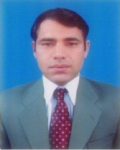 Dr. Mushtaq Ahmed is now serving at Department of Biotechnology, University of Science and Technology Bannu, Pakistan. His research interests are pharmacology, toxicology, biotechnology, biochemistry, etc. He has published more than 150 papers.Biochemical Analysis
 -
 Prof. Sivakumar Manickam Universiti Teknologi Brunei (UTB), Brunei Darussalam Professor Sivakumar Manickam is a Chemical Engineer with a specialization in the process engineering of nanomaterials, especially nanopharmaceuticals, and has over 25 years of experience in this field. He is currently working with the University of Technology Brunei (UTB), Brunei; before that, he worked at the University of Nottingham, International Campus in Malaysia. A major focus of his research is the development of cavitation-based reactors for the production of nanomaterials of technological importance, greener extraction of natural products, water treatment, development of pharmaceutical nanoemulsions, and use of novel carbon nanomaterials to develop biosensors for earlier diagnosis of cancer and diabetes. While at the University of Nottingham, he served in a variety of leadership roles, including Director of Research, Founding Director for the Centre for Nanotechnology and Advanced Materials, Head - Manufacturing and Industrial Research Division and Associate Dean for Research and Knowledge Exchange. He serves as Deputy Dean (Research) of the Faculty of Engineering at UTB. Over the course of his career, he has completed more than 20 industrial and government-funded projects and supervised more than 50 students in research projects. Throughout his career, he has published more than 250 peer-reviewed papers in journals and conferences. According to Scholar Google, he has a h-index of 63 (Citations more than 12000). In addition, he is also the Executive Editor of the Ultrasonics Sonochemistry Journal. His affiliations include service on the board of the Asia Oceania Sonochemical Society as Vice-President, as well as the Fellow of the Higher Education Academy (UK) and the Fellow of the Royal Society of Chemistry (FRSC).A major focus of his research is the development of cavitation-based reactors for the production of nanomaterials of technological importance, greener extraction of natural products, water treatment, development of pharmaceutical nanoemulsions, and use of novel carbon nanomaterials to develop biosensors for earlier diagnosis of cancer and diabetes.
 -
 Prof. Sally El-Zahaby Egypt-Japan University of Science and Technology, Egypt Associate Professor Dr. Sally A. El-Zahaby is specialized in Pharmaceutics and Pharmaceutical Technology with 20 years of experience in this field. Dr. Sally A. El-Zahaby is an expert in the field of nano-carriers as drug delivery systems. She is passionate about nanotechnology-based pharmaceutical formulations. Additionally, she is specialized in tablet dosage form; she has the ability to solve tablet manufacturing problems owing to her research experience in different types of tablets formulations, including effervescent mini-tablets, size-expanding tablets, and various types of osmotic tablets. Dr. Sally is among the editorial board of more than 10 scientific journals. She reviewed more than 200 manuscripts (verified by Web of science) published in many reputable journals.Nanotechnology based pharmaceutical formulations Modified liposomal formulations
 -
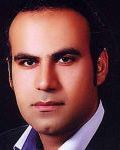 Dr. Amir Hatamie https://orcid.org/0000-0002-7085-893X University of Gothenburg, Iran Amir Hatami is a Research Associate at the Department of Chemistry and Molecular Biology, University of Gothenburg, Sweden. and he will start a new position as an Assistant Professor at the Institute for Advanced Studies in Basic Sciences, in 2023. Nanochemistry section. He graduated in Analytical Chemistry in 2014 from the University of Shahid Chamran, Iran. Afterward, he joined the Nanotechnology Group at Sharif University, Iran, and later became a part of Prof. Andrew Ewing's team at Gothenburg University, where he was awarded the Wallenburg Fellowship in Sweden, the Marie-Curie Fellowship grant from the EU, and the Sahlgrenska Academy Grant in Sweden, The best reviewer ward-2022 from "Biosensors" journal, and etc. Currently, he actively collaborates with Macmaster, IASBS, Gothenburg and Linkoping universities. His research interests lie in Bioanalytical Chemistry, Nano-micro-macro-scales (bio)sensors, and more. Amir Hatami is the author of 33 scientific publications and 6 review papers, with an h-index of 26 and an i10-index of 35. He has been invited as a speaker at 4 international events, authored 2 book chapters, and co-organized 2 scientific meetings. Additionally, he is a member of international scientific societies such as the Swedish Chemical Society, the International Electrochemical Society (ISE), and the Iranian Society of Chemistry. Amir Hatami has served as a reviewer for more than 10 different international journals. Currently, he holds the position of Guest Editor for several issues, and he is also a topical editor in the "Biosensors" (Q1, IF 5.4) and Guest Editor of the "International Journal of Molecular Sciences" (Q1, IF 5.6).Bioanalytical Chemistry, Nano-micro-macro-scales (bio)sensors
 -
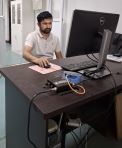 Dr. Muhammad Shahid Nadeem Henan International Joint Laboratory of Ceramic Energy Materials, China Dr. Muhammad Shahid Nadeem completed his degree of Doctorate from Institute of physics, The Islamia University of Bahawalpur, Pakistan. Currently he is working as postdoc Researcher at Henan university of technology China. Recently according to Elsevier, and Stanford ranking he is nominated as top 2% scientist all over the world. He published more than 50 research articles in peer-reviewed international journals related to ‘Photochemistry, Photocatalysis, Antibacterial, water-splitting, and Energy Storage Devices. He has a total citation >2100 with h-index > 29, i10-index > 46. He would like to work in a well-reputed organization among the best professionals and in a challenging atmosphere that offers enormous chances of growth and further facilitates to his abilities to help the organization to reach its strategic goals.Nanomaterials and Heterostructured Nanocomposites; Photochemistry; Photocatalysis; Antibacterial, Thin film, and Energy Storage Device.
 -
 Dr. Chelliah Koventhan is a researcher in the field of materials science, specializing in the development and investigation of advanced nanomaterials for energy storage applications, electrochemical sensors, and photocatalysis. Currently, he serves as Postdoctoral Fellow at the Institute of Electro-Optical Engineering, National Taiwan Normal University, Taiwan. He earned his Bachelor's degree in Physics from Bharathidasan University, India, and his Master’s degree in Nanoscience and Technology from Bharathiar University, India. He earned his Ph.D. in 2022 from the Department of Chemical Engineering and Biotechnology, National Taipei University of Technology (NTUT), Taiwan. His research focuses on nanomaterial synthesis and characterization; fabricating selective electrochemical sensors for detecting drugs, pollutants and biomolecules; Advanced nanocomposites for supercapacitors; Photocatalysts for environmental remediation, and CO2 photoreduction. Dr. Koventhan serves as a Guest Editor for Separations (MDPI) on the special issue "Advances in Electrochemical Catalytic Degradation and Adsorption of Environmental Pollutants Using Nanomaterials" and for Processes (MDPI) on the special issue "Advances in Electrode Materials for Energy Storage Applications." Additionally, he is a Topical Advisory Panel Member for the Processes journal in the Materials Processes section. As a dedicated peer reviewer, he has reviewed SCI/SCIE journal articles for prestigious journals such as the Chemical Engineering Journal, Journal of Energy Storage, Applied Materials Today, Journal of Environmental Chemical Engineering, ACS Applied Nanomaterials, and Surfaces and Interfaces, significantly contributing to advancements in nanomaterials and electrochemistry.nanomaterial synthesis and characterization; fabricating selective electrochemical sensors for detecting drugs, pollutants and biomolecules; Advanced nanocomposites for supercapacitors; Photocatalysts for environmental remediation, and CO2 photoreduction
 -
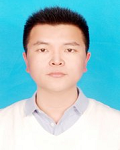 Binbin Chang Associate Professor, Henan Key Laboratory of Nanocomposites and Applications, Institute of Nanostructured Functional Materials, Huanghe Science and Technology College, Henan, China E-mail: binbinchang@infm.hhstu.edu.cn; ORCID 0000-0001-6172-9952 Google Scholar: publications, ~65; total citations, ~4300; H-index, 29Carbon;Porous Materials;Adsorption;Mesoporous Materials;BET Surface Area Measurement
 -
 Dr. Kamran Heydaryan is a researcher and faculty member at Cihan University-Erbil, specializing in nanomaterials and their applications in biotechnology, medicine, and environmental science. His research focuses on the synthesis and characterization of advanced nanostructures, with particular interest in plasmonic materials, magnetic hyperthermia for cancer treatment, and the development of novel sensing platforms. Heydaryan has contributed to multiple high-impact publications in nanotechnology and continues to explore innovative approaches for improving nanomaterial performance in biomedical and catalytic applications.His research focuses on the synthesis and characterization of advanced nanostructures, with particular interest in plasmonic materials, magnetic hyperthermia for cancer treatment, and the development of novel sensing platforms.
 -
 Nour F. Attia PhDProfessor (Full) at National Institute of Standards National Institute of Standards, EgyptMaterials;Material Characterization;Nanomaterials;Mechanical Properties;Thin Films and Nanotechnology;Polymers;Materials Processing;Advanced Materials;Nanomaterials Synthesis;Material Characteristics
 -
 Prof. Dr. Ayesha Kausar National Center for Physics , Pakistan Prof. Dr. Ayesha Kausar is affiliated with National Centre for Physics, Islamabad, Pakistan. Her current research interests include design, fabrication, characterization, and exploration of structure-property relationships and potential prospects of nanocomposites, polymeric composites/nanocomposites, nanoparticles/polymeric nanoparticles, quantum dots, nanocarbons (graphene, carbon nanotube, nanodiamond, fullerene, etc.), inorganics/hybrid materials, nanofibers, nano-foam architectures, etc. Dr. Kausar’s contributions to nano/materials science and technology fields include > 600 scientific publication in international peer-reviewed journals. Till now, she has contributed 9 Elsevier authored monographs as (i) “Graphene Quantum Dots and Their Derived Nanocomposites: Fundamentals and Applications”, 2025; (ii) “Three-Dimensional Graphene Nanocomposites: Design, Characteristics, and Technical Potential”, 2025; (iii) “Polymer/Nanodiamond Nanocomposites: Fundamentals, Properties and Applications” 2024; (iv) “Shape Memory Polymer-Derived Nanocomposites: Materials, Properties, and Applications, 2024; (iv) “Polymer/Fullerene Nanocomposites: Design and Applications” 2023; (vi) “Polymeric Nanocomposites with Carbonaceous Nanofillers for Aerospace Applications” 2022; (vii) “Graphene to Polymer/Graphene Nanocomposites: Emerging Research and Opportunities” 2021; (viii) “Conducting Polymer-Based Nanocomposites: Fundamentals and Applications” 2021; (ix) “Electrical Conductivity in Polymer-Based Composites: Experiments, Modelling, and Applications” 2018.. Moreover, she contributed book chapters to > 113 international Books and Encyclopaedias. Her name has been listed in the world’s Top 2% of scientists in the field of materials science & technology/nanotechnology in surveys conducted by Stanford University to recognize, in recent years.Her current research interests include design, fabrication, characterization, and exploration of structure-property relationships and potential prospects of nanocomposites, polymeric composites/nanocomposites, nanoparticles/polymeric nanoparticles, quantum dots, nanocarbons (graphene, carbon nanotube, nanodiamond, fullerene, etc.), inorganics/hybrid materials, nanofibers, nano-foam architectures, etc.
 -
 Department of Chemistry, Faculty of Sciences and Mathematics, University of Priština in Kosovska Mitrovica , SerbiaSilver, gold and iron oxide (III) nanoparticles were synthesized by aqueous solution or solid-state methods. Surface modification of nanoparticles, interaction with cyanide dyes (J-aggregates), and cytotoxicity testing for medical applications. Silver nanoparticles as catalysts.
 -
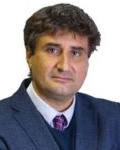 Prof. Pier Gianni Medaglia University of Rome Tor Vergata, Italy Pier Gianni Medaglia is Associate Professor of Physics and Materials Science at the University of Rome Tor Vergata, Rome, Italy. He obtained his graduation in condensed matter physics and the PhD degree in Microsystems Engineering. PGM’s fields of interest focus on synthesis of nanostructured innovative materials and thin films, characterized by optical spectroscopy and electrical characterization. The research is also aimed to perform device for biomedical applications and energy harvesting. He has published over 105 publications on international journals, with an H-index of 28 and more than 2725 citations (Google Scholar) updated at June 2023. He co-autored 2 books and he has been tutor for the research thesis of more than 30 students (PhD, graduating and undergraduating) at the Engineering Faculty of Rome Tor Vergata. He is currently Associate Editor for four international journals, Guest Editor for other two journals, and reviewer of about 10 journals, all in the fields of Materials Science, nanomaterials for biomedical applications, sensors or condensed matter physics.Nanostructured Materials: in particular ZnO nanorods and Layered Double Hydroxides (LDH) for applications in the fields of energy, sensors, electrochemistry, biomedical, Thin Films: Novel functional materials (in particular oxides) hydrothermal synthesis, X-ray Diffractometry, SEM Microscopy, Electrical Characterization, UV-VIS spectroscopy
 -
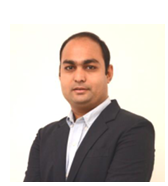 Assistant Professor, Department of Physics, Uka Tarsadia University, Bardoli, Dist.- Surat, Gujarat, INDIAFabrication and characterization of thin films and optoelectronic devices such as solar cells, photodetector, schottky diodes and gas sensors. Solution and Vacuum based Thin film Deposition Techniques. Analysis of Solar PV roof top grid connected systems.
 -
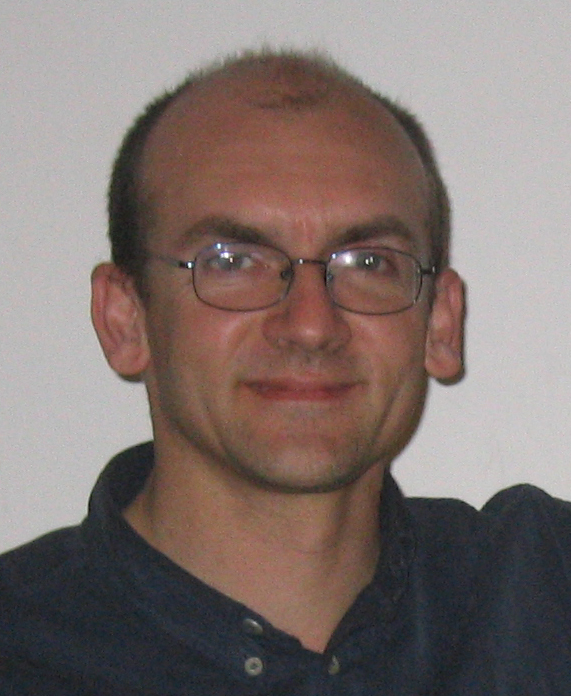 Roberto Gunnella is Associate Professor of Experimental Physics at the University of Camerino (UNICAM), Italy. He received his Ph.D. in Physics from the University of Camerino, where he now leads research and teaching activities in condensed matter physics and materials science. His research interests include the structural and electronic characterization of advanced materials, thin films, and nanostructures, with particular focus on sustainable functional materials for electronic and sensing applications. He has authored numerous publications in international journals and actively collaborates on multidisciplinary projects aimed at advancing innovative materials and device technologies.Electron spectroscopies Surfaces and Interfaces Nanodevices Scanning microscopies
 -
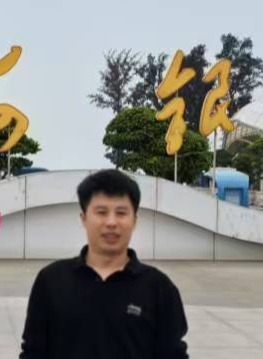 Prof. Xinggang Zhao, Northeast Normal University, China. The team employs theoretical computational methods to investigate the structure-property relationships in semiconductor materials, applying these insights to the design of optoelectronic functional materials. Their research focuses on the direct physical mechanisms linking material structure to performance, constructing a dedicated theoretical database for optoelectronic materials. This provides theoretical guidance for the application of optoelectronic materials in fields such as photocatalysis and photovoltaics, while also offering data support for data-driven optoelectronic material design.materials design, optoelectrical materials, first principles calculations
 -
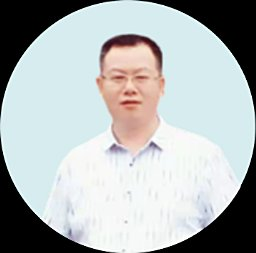 Prof. Dr. Xianbao Wang is a professor of School of New Energy and Electrical Engineering at Hubei University. He received Ph.D. degree from the Institute of Chemistry, Chinese Academy of Sciences in 2002, then worked as a postdoctoral fellowship at the Katholieke Universiteit Leuven (Belgium) from 2002 to 2004. He is currently the Director of the Department of Discipline Construction and Development Planning, Hubei University, and the Director of the Key Laboratory of "Green Preparation and Application of Functional Materials" of the Ministry of Education, China. He is ranked one of the World’s Top 2 % Scientists issued by Stanford University & Elsevier since 2019. He is an Outstanding Talent of the New Century recognized by the Ministry of Education, China. He is mainly engaged in new energy materials and nanomaterials, involving carbon-based nanomaterials and their applications in solar photo-thermal conversion, Lithium ion battery, fuel cells, supercapacitors, and environmental monitoring. He has successively published more than 200 papers in international journals such as Angew. Chem. Int. Ed., Adv. Mater., Prog. Mater. Sci., and Mater. Sci. Engi. R. More than 30 Chinese invention patents have been authorized. He has successively undertaken more than 20 scientific research projects, including the National Key Research and Development Program, the National Natural Science Foundation of China, and the Key Research and Development Program of Hubei Province. He has won 3 awards, such as the Second Prize of the Natural Science Award of Hubei Province/Shanghai Municipality.1.Photothermal conversion 2.Carbon nanomaterials 3.New Energy Materials 4.Solar vapor generation 5.Lithium ion Battery 6.Fuel Cells
 -
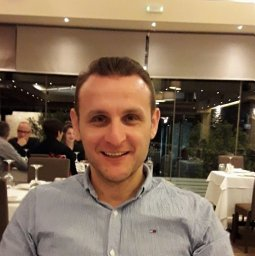 Prof. Aris E. Giannakas Associate Professor Department of Food Science and Technology, School of Agricultural Sciences, University of Patras, Agrinio 30100 GreeceChemical Technology, Green Food Nanotechnology, Processing and Preservation, Nanostructures in Food Technology, Polymers and biopolymers composites and nanocomposites, biopolymers hydrogels, bioactive nanostructures, nanomaterials, microemulsions, nanoemulsions, active packaging, control release.
 -
-
 Jincheng Fan, received the B.S. and PhD degrees from Hunan University, China in 2001 and 2008, respectively. From June 2008 to July, 2009, he worked as a researcher in The University of Hong Kong, Hong Kong, China. From March, 2011 to June, 2012, he worked as a postdoctor in Royal Institute of Technology, Sweden. From December, 2012 to May, 2014, he worked as a professor, in Anhui University of Technology, China. From June,2014 to May,2016, he worked as Principle Investigator in Rudjer Boskovic Institute, Croatia. Currently, he is a professor in Changsha University of Science and Technology, China.Energy Materials and Two-dimensional atomic Crystals
 -
 Professor Zdzisław Adamczyk graduated from the Faculty of Biology and Earth Sciences of the Jagiellonian University, specializing in mineralogy, petrography, and geochemistry. He is an associate professor at the Silesian University of Technology, a member of the Silesian branch of the Polish Mineralogical Society, and served as Vice-Dean for Organization and International Cooperation from 2012 to 2016.[3] Zdzisław Adamczyk is the author or co-author of two patents and over 100 publications, including four books and academic textbooks.Nanomaterials; Environmental Engineering; Mining and Energy
 -
 Sang Hyuk Im received his PhD degree in Chemical & Biomolecular Engineering from the Korea Advanced Institute of Science and Technology (KAIST) in 2003. He has worked in the University of Washington (in 2005), LG Chemicals Research Park (in 2009) and Korea Research Institute of Chemical Technology (KRICT) until 2013 as a senior research scientist. He was an associate professor in the Department of Chemical Engineering at Kyung Hee University. He is a professor in the Department of Chemical and Biological Engineering at Korea University.perovskite optoelectronics including materials design and application in solar cells, LEDs, detectors, photobatteries and photocapacitors.
 -
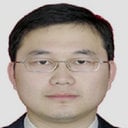 Doctor of Material Engineering,Professor (Associate) at Shanxi University,ChinaCarbon nanomaterials, lithium/sodium ion batteries, anode materials, magnetic materials, carbon based composites
 -
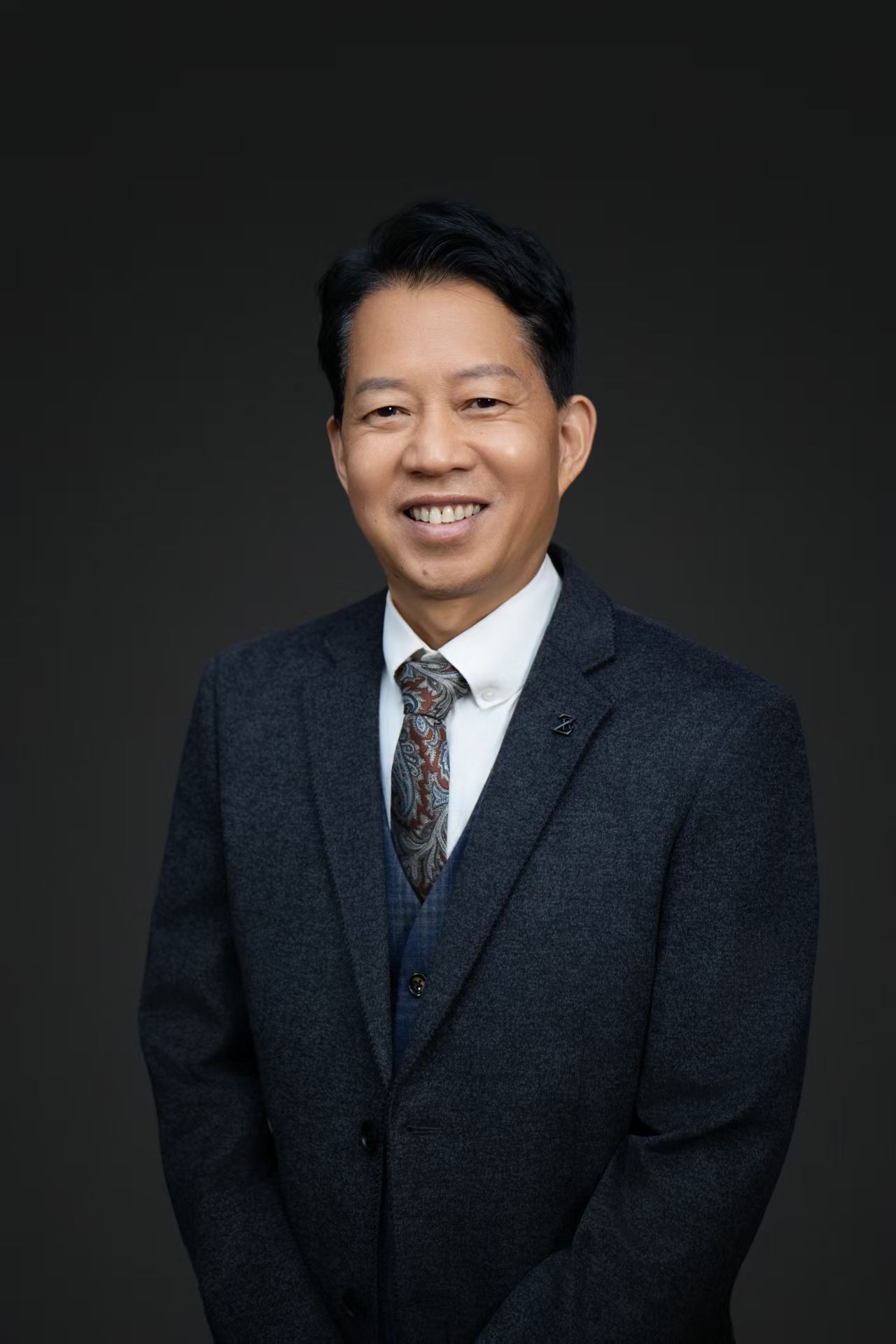 Wei Chen, Ph. D. University Distinguished Professor and Dean NAI Fellow, IAAM Fellow, Vebleo Fellow, Sigma Xi Full Member, Pencis Award, FRSCnanomedicine and cancer nanotechnology. Well known for myinventions in cancer nano-targeted therapy and deep cancer photodynamic therapy.
 -
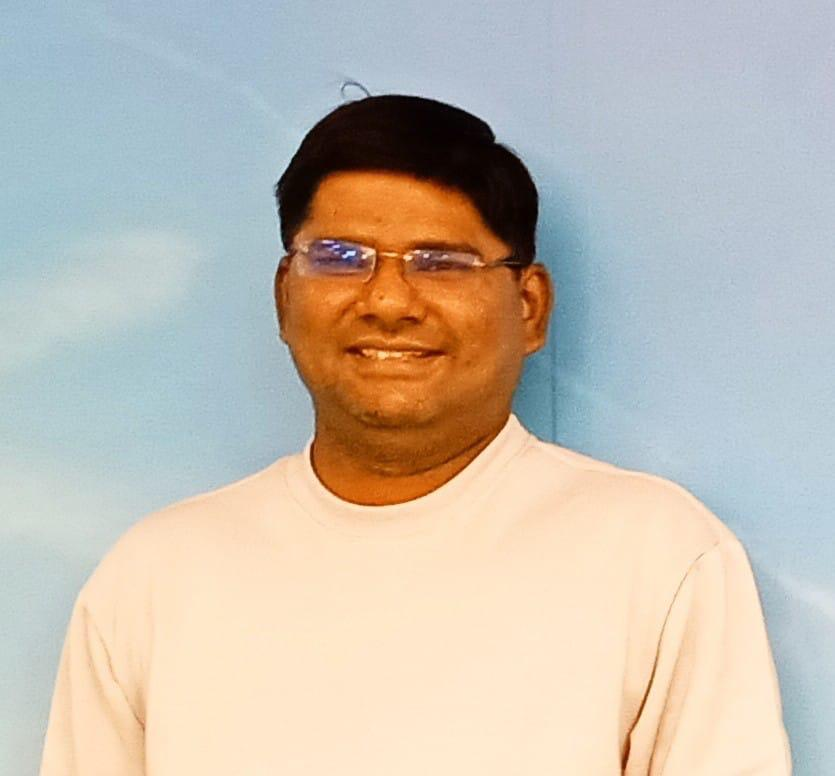 Dr. Karthik Kannan is currently serving as an Assistant Professor in Research Track (Assistant Research Fellow) in the Department of Mechanical Engineering at National Chung Cheng University, Taiwan, and as Distinguished Adjunct Professor at Karpagam Academy of Higher Education, Coimbatore, India & Saveetha Institute of Technical and Medical Sciences, Chennai, India. He has also contributed as an Associate Science and Technical Advisor at the Australian Center for Sustainable Development Research & Innovation (ACSDRI), South Adelaide, Australia. Dr. Kannan is the recipient of the prestigious Taiwan Employment Gold Card (Science and Technology specialization), approved by the National Science and Technology Council. He was also honored with the highly competitive Brain Pool Fellowship from the National Research Foundation of Korea (NRF), which he held at Kumoh National Institute of Technology, Republic of Korea. His international research journey further includes appointments as a Postdoctoral Researcher at Ariel University, Israel; Researcher at Green H2 System Co. Ltd., South Korea; and Postdoctoral Fellow at Qatar University, Qatar. He serves on the editorial boards of multiple Scopus-indexed journals, including PLOS One, Microbial Biotechnology, Advanced Manufacturing: Polymer and Composite Sciences, Frontiers in Energy Research, Hydrogen, Progress in Physics of Metals, Current Nanoscience, Current Materials Science, Energy Engineering, Journal of Polymer Materials, Journal of Energy and Sustainability, and ChemEngineering. He is also the Lead Guest Editor for special issues in Nano Express, Materials, and Hydrogen. Dr. Kannan has an extensive publication record with over 180 peer-reviewed research articles, accumulating more than 8634 citations (Google Scholar, March 2026), with an h-index of 60 and an i10-index of 130. He has also published an Indian patent, over 20 book chapters, and 10 conference proceedings. In addition, he has edited four books in Royal Society of Chemistry and IGI global scientific publishing, USA. His research in materials science, energy storage, electrocatalysis, and sustainable technologies has earned him global recognition. Notably, Stanford University has listed him among the World’s Top 2% Scientists for six consecutive years (2020–2026), with distinction in both single-year and career-long impact rankings (1960–2023). Achieved the #1 rank at National Chung Cheng University, Taiwan (Single-Year List 2025), among 14 Top 2% scientists from the university.fabrication of 2D materials, bimetallic and trimetallic nanocomposites for practical applications in supercapacitors, carbon dioxide conversion, and biomedicine, 2D-based nanocomposite catalysts for photocatalytic and electrocatalytic hydrogen production


